
A bridging loan is a short-term financing solution secured against property. It "bridges" the gap between an immediate funding need and longer-term finance or the sale of an asset.
This type of facility is typically used when speed is essential and traditional mortgage funding isn't fast enough or suitable for your situation.
Key Characteristics of Bridging Loans
Short-Term Duration Mallard Bridging facilities run from 1 to 12 months, with most repaid within 6 to 12 months.
Secured Against Property The loan is secured against UK residential or commercial property, providing lenders with security and enabling faster decisions.
Fast Approval and Funding Unlike traditional mortgages that can take weeks or months, this type of facility can typically be approved within 24 hours, subject to property and documentation. With Mallard Bridging, repeat clients could have funds in as fast as 24 hours; prepared new borrowers in as fast as 48 hours. All timelines are subject to satisfactory valuation, documentation, and legal process.
Higher Interest Rates Due to their short-term nature and speed, these loans carry higher interest rates than standard mortgages. Rates are individually assessed based on your specific circumstances, including LTV, property type, and exit strategy.
Flexible Security The facility can be secured against the property being purchased (if applicable) or other property you own.
Common Uses for Bridging Loans
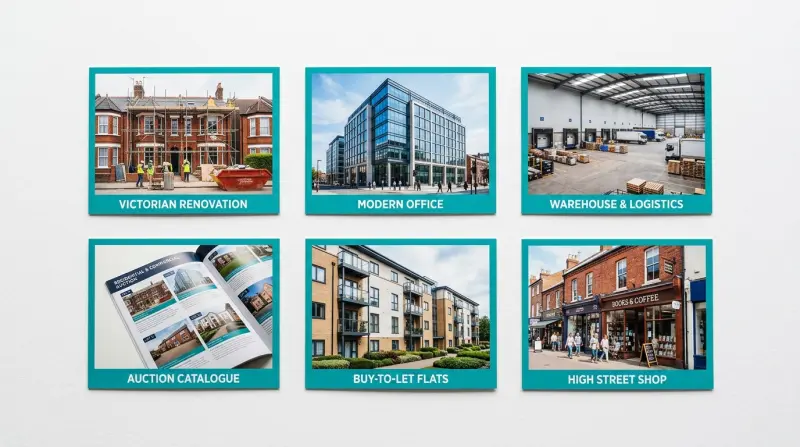
Property Auctions Auction purchases require fast completion (typically 28 days). Bridge finance provides the speed necessary to meet these deadlines.
Property Development Developers use bridge loans to purchase and refurbish properties before refinancing onto development finance or selling the completed project.
Chain Breaks (Investment Properties) When an investment property sale falls through or is delayed, chain break bridging lets the buyer proceed with their onward acquisition without losing the deal.
Business Cashflow Business owners use bridge finance to unlock equity for working capital, stock purchases, and operational costs when speed matters.
Commercial Property Acquisition Businesses acquiring commercial premises - offices, retail units, warehouses, or industrial space - when traditional commercial mortgages would take too long to arrange or where the property doesn't meet standard lending criteria.
Refurbishment Projects Refurbishment finance covers the purchase and renovation of uninhabitable properties that don't qualify for standard mortgages until works are complete. Once refurbishment is finished, borrowers typically refinance onto a conventional mortgage based on the improved property value.
HMRC Tax Obligations Business owners facing urgent tax deadlines use property-backed finance to settle corporation tax, VAT, or other HMRC liabilities, avoiding penalties and enforcement action while arranging longer-term solutions.
Refinancing Existing Facilities When an existing facility approaches its term end and the original exit strategy needs more time, refinancing onto a new bridge loan provides breathing space to complete a sale, finish development works, or arrange permanent finance.

How Much Can You Borrow?
Loan amounts in the UK typically range from £25,250 to £10 million or more for specialist cases.
Loan-to-Value (LTV) Most lenders offering this type of facility provide up to 65-75% LTV, meaning you'll need 25-35% equity or deposit. Some specialist providers may offer higher LTV in certain circumstances.
Rolled-Up vs Serviced
- Rolled-up (retained) bridge loan: Interest is added to the loan and repaid at the end, so there are no monthly payments. This helps with short-term cash flow, but you receive less net funds (or accrue more debt) and typically pay interest for the full agreed term.
- Serviced (repayment) bridge loan: You pay the interest monthly, so you receive the full loan amount upfront but need steady cash flow during the term. This can be cheaper if repaid early since interest is only charged for the time used.
At Mallard Bridging, all facilities use rolled-up interest with no monthly payments. The serviced option is offered by some other lenders in the market.
Costs and Fees
At Mallard Bridging, all costs - including setup fees, legal fees, and interest - are rolled into the gross loan amount. You receive the net loan (the amount you need), and everything else is added to the total. There are no monthly payments and no separate invoices for individual fees. You repay the single gross amount at exit.
This means you know the total cost upfront before committing. The gross loan figure on your quote is the complete picture.
Factors that influence your total cost include LTV ratio, property type and condition, loan term, charge position, and the strength of your exit strategy. Repay on or before the agreed date and a timely repayment discount may apply, reducing the total further. For a full breakdown, see our guide to bridging loan costs and fees.
Use our bridging loan calculator to get an instant quote based on your loan amount and duration.
Advantages of Bridging Loans
Speed of Funding Decisions within one business day and funds typically released within 48 hours, subject to valuation and documentation.
Flexible Criteria Based on property value and exit strategy rather than income multiples or employment status.
Complex Cases Accepted Properties in poor condition, unusual constructions, or complicated ownership structures can often be funded through this form of lending.
No Monthly Payments Required Interest and fees are rolled up into the facility, so there are no monthly payment obligations during the term. Everything is repaid at exit.
Multiple Properties The facility can be secured against multiple properties to reach the required LTV.
Ready to Explore Bridging Finance?
Our bridging finance specialists are available Monday-Friday, 9:00 AM - 5:30 PM.
Disadvantages to Consider
Higher Costs Interest rates significantly exceed standard mortgage rates due to the short-term nature and speed.
Requires Exit Strategy You must have a clear plan to repay the loan - through property sale, refinancing, or other means.
Total Cost Can Be Significant Because interest is rolled up over the term, the gross repayment amount grows with time. Always review the full quote so you understand the total cost before committing.
Risk to Property Your property is at risk if you cannot repay the loan as agreed.
The Bridging Loan Process
The typical journey follows these stages. For a full step-by-step walkthrough, see our guide on how bridging loans work.
- Initial enquiry - contact a specialist with your requirements, property details, and exit strategy. Expect a quote the same business day.
- Formal application - submit identification, property details, deposit evidence, and exit strategy documentation.
- Property valuation - A desktop valuation is performed to assess the property being used as security.
- Underwriting and approval - the lender reviews the valuation, your application, and exit strategy before issuing a formal offer.
- Legal process - solicitors conduct title searches, prepare charge documents, and handle completion.
- Funds released - once legal requirements are satisfied, funds are released to your solicitor for the agreed purpose.
- Loan management - interest accrues and is rolled up into the facility during the term, with no monthly payments required.
- Exit and repayment - you repay the loan through your agreed exit strategy, whether that's a property sale, refinancing onto a longer-term facility, or other means.
Is a Bridging Loan Right for You?
Short-term property finance works best when:
- You need funding within days or weeks rather than months
- Traditional finance isn't suitable for your property or situation
- You have a clear, viable exit strategy to repay the facility
- The opportunity justifies the higher short-term costs
- Speed and certainty are more important than securing the lowest possible rate
- Your property has sufficient equity to provide the lender with adequate security
How Mallard Bridging Can Help
At Mallard Bridging, we provide fast property finance from £25,250 to £40,000,000 with:
- Same-day decisions on most applications
- Rapid funding - as fast as 24 hours for repeat clients, 48 hours for prepared new borrowers*
- 100% transparency - no hidden fees
- Flexible criteria for complex cases
- Dedicated support throughout the process
Whether you're purchasing at auction, developing property, or need to move quickly on an investment opportunity, we're here to help.
Frequently Asked Questions
How much can I borrow with a bridging loan? Mallard Bridging offers facilities from £25,250 to £40,000,000. The amount depends on your property value and loan-to-value ratio, typically up to 65-75% LTV.
How quickly can I get a bridging loan? For repeat clients with details on file, funds can be released in as fast as 24 hours. Prepared new borrowers with complete documentation typically complete within 48 hours for straightforward first charge deals. All timelines are subject to satisfactory valuation, documentation, and legal process.
Do I need to make monthly payments? No. At Mallard Bridging, all interest and fees are rolled into the gross loan amount. You make one single repayment at exit - no monthly payments during the term.
What is an exit strategy? Your plan to repay the loan. Common exit strategies include selling the property, refinancing onto a longer-term mortgage, or using proceeds from another asset sale. Every application needs a clear, credible exit.
Can I use a bridging loan for an auction purchase? Yes - auction finance is one of the most common uses. The speed of bridging finance matches the typical 28-day auction completion deadline. See our auction property finance guide for details.