What Is Development Bridging Finance?
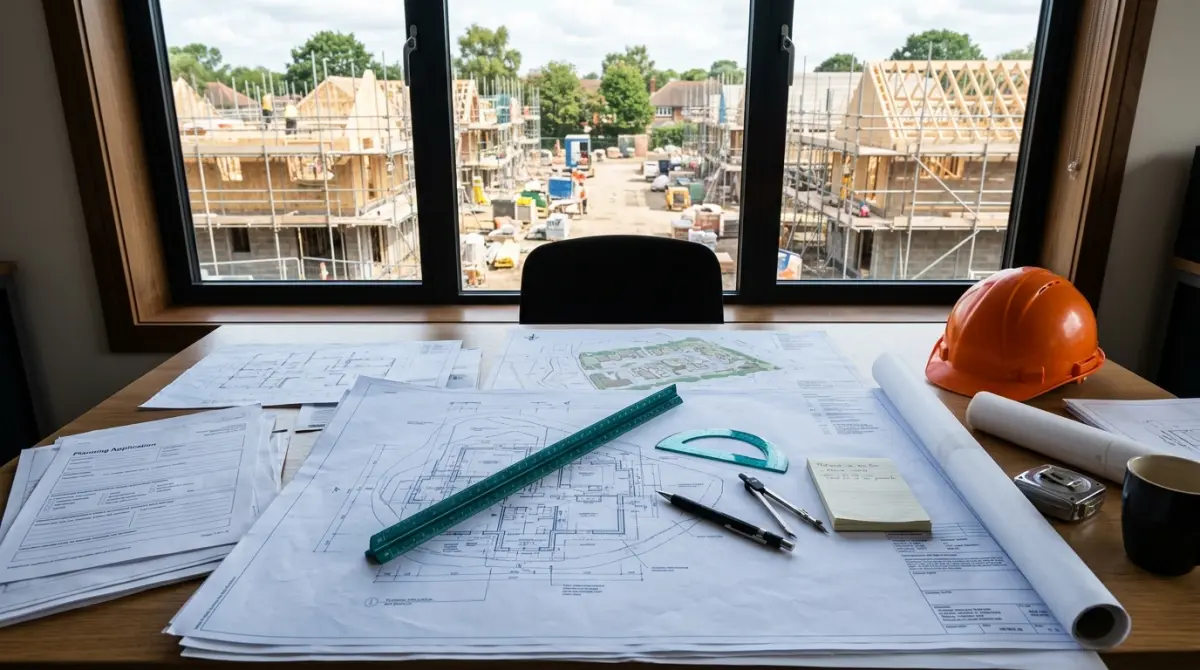
Development bridging finance is a short-term, property-backed facility that supports the property development cycle - from site acquisition through to construction, conversion, or refurbishment, and out to sale or refinancing. It fills the gap where traditional development finance is either too slow to arrange or where the project doesn't require the full infrastructure of a staged construction facility.
Full-scale development finance - the kind used for large housing estates and multi-storey apartment blocks - typically involves quantity surveyors, professional cost monitors, staged drawdowns against certified build progress, and terms of 18 months to three years. For smaller projects - conversions, permitted development schemes, light new-builds of one to four units, and property subdivisions - this structure adds unnecessary cost and complexity.
Development bridging provides a simpler alternative: a single facility covering purchase and works, with terms matched to the realistic project timeline. The exit is typically selling the completed property or refinancing onto a long-term mortgage.
For the fundamentals of how short-term property finance works, see our guide on what a bridging loan is.
How Development Bridging Works
Development bridging follows the natural phases of a property development project.
Phase 1: Site Acquisition
The first phase is purchasing the site or property. Speed is often critical - development sites attract competitive interest, and vendors favour buyers who can complete quickly. A bridging facility can complete the purchase within days, securing the asset before competitors.
This is where development bridging differs most from traditional development finance. Conventional development lenders typically require full planning permission, detailed costings, and professional team sign-off before releasing any funds. A bridging facility can fund the acquisition while these elements are being finalised.
Phase 2: Construction and Conversion
Once the site is secured, the facility funds the development works. Depending on the project scope and the lender's assessment, works funds may be:
- Advanced in full at completion - suitable for smaller refurbishment and conversion projects where the total works cost is modest relative to the property value
- Released in stages - appropriate for larger projects where the lender releases tranches as the build progresses, verified against agreed milestones
The structure depends on the project type, the borrower's track record, and the overall risk profile.
Phase 3: Exit and Refinance
The final phase is repaying the facility. The three most common exits for development bridging are:
- Sale of completed units - the developer sells the finished properties and repays the loan from proceeds
- Refinance onto buy-to-let mortgages - for properties being retained as rental investments, the developer refinances onto long-term BTL mortgages based on the completed value
- Transition to longer-term finance - for larger or phased projects, the borrower may transition from the bridging facility to a formal development finance facility once planning and pre-construction work is complete
For more detail on structuring exits, see our exit strategy guide.
Types of Development Projects
Development bridging suits a range of project types, particularly those that are too small for formal development finance but too complex for a standard bridging facility.
- Permitted Development Conversions: Office-to-residential conversions under Class O, commercial-to-residential under Class MA, and other permitted development rights that bypass full planning applications
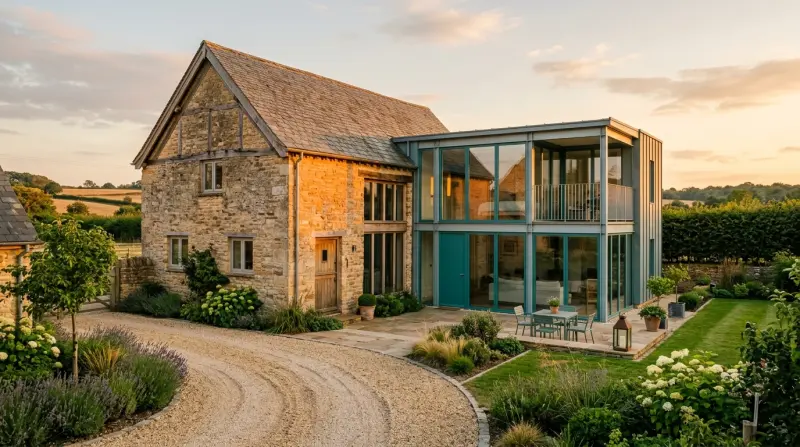
- Barn and Agricultural Conversions: Converting agricultural buildings to residential use under Class Q or with full planning consent - combining rural character with modern living standards
- Property Subdivision: Dividing a large house into flats, or splitting a commercial building into multiple units - increasing the total unit count and overall value
- HMO Conversions: Converting standard residential or commercial property into Houses in Multiple Occupation for the rental market
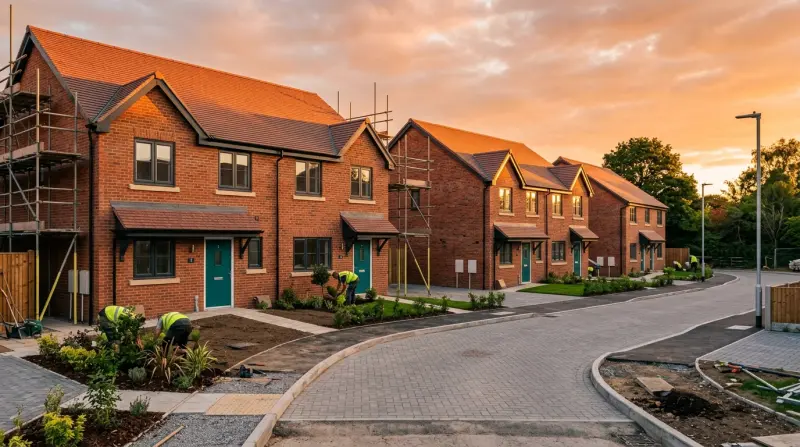
- Light New-Build (1-4 Units): Small-scale new-build projects - pairs of semi-detached houses, small terraces, or individual dwellings - where the build programme is 6-12 months
- Extension and Reconfiguration: Adding significant value through extensions, loft conversions, or reconfiguration of internal layouts to create additional bedrooms or living space
Each project is assessed on its merits. The key factors are the property or site value, the projected completed value, the realism of the cost plan, and the borrower's experience and professional team.
Development Bridging vs Traditional Development Finance
Understanding when development bridging is the right tool - and when a full development finance facility is more appropriate - helps borrowers choose the right structure for their project.
- Speed of funding - bridging can complete the site purchase within days, while development finance typically takes 6-8 weeks to arrange
- Simpler assessment - smaller projects avoid the overhead of quantity surveyors, professional cost monitors, and staged certification
- Single facility - one loan covering purchase and works, rather than separate acquisition and construction facilities
- Flexible scope - suitable for projects where the works element is relatively modest compared to the asset value
- No QS monitoring - for light schemes, lenders may not require professional quantity surveyor oversight, reducing project costs
- Shorter terms - Mallard Bridging facilities run 1-12 months, while traditional staged development finance from other lenders can extend significantly longer for larger builds
- Higher per-month cost - the simplicity and speed of bridging comes at a premium compared to staged development facilities on a monthly basis
- Scale limitations - ground-up developments of more than 4-6 units typically require the structure and oversight of formal development finance
- Build risk assessment - lenders may require evidence of contractor capability and professional team involvement for heavier schemes
As a general guide, development bridging suits projects where the total facility is under £2-3 million, the build programme is 12 months or less, and the works represent a manageable proportion of the overall deal. Larger, more complex projects benefit from the structure and staged monitoring of traditional development finance.
Ready to Discuss Your Development Project?
Our bridging finance specialists are available Monday-Friday, 9:00 AM - 5:30 PM.
Loan Terms and Structure
Amounts
Development bridging facilities from Mallard Bridging range from £25,250 to £40,000,000, covering both the acquisition cost and the development budget within a single facility.
Terms
Mallard Bridging development facilities run from 1 to 12 months, with most sitting in the 6 to 12 month range to reflect the longer timelines associated with construction, conversion, and planning processes. The term is matched to the realistic project programme plus a reasonable contingency buffer.
Loan-to-Value and Loan-to-GDV
Lenders assess development projects against two value metrics:
- Loan-to-Value (LTV): The facility as a percentage of the current property or site value - typically 65-75% for development bridging
- Loan-to-Gross Development Value (LTGDV): The facility as a percentage of the projected completed value - often used as a secondary check, typically capped at 65-70%
Both metrics must work for the deal to proceed. A site purchased cheaply relative to its development potential may support a higher LTV against current value while remaining within LTGDV limits.
Pricing
All costs are rolled into the gross loan amount. Setup fees, legal fees, valuation costs, and interest are bundled together. The borrower receives the net loan and repays a single gross figure at exit - no monthly payments, no separate invoices, no exit fees.
Borrowers who complete their project and repay on or before the agreed date receive a timely repayment discount.
For a detailed breakdown of how bridging pricing works, see our costs and fees guide.
The Application Process
Development bridging applications require more supporting information than standard bridging, reflecting the added complexity of the project element.
What to prepare:
- Property or site details with current value estimate
- Development plans and drawings (even if outline at this stage)
- Cost plan or schedule of works
- Planning status - full permission, permitted development, or pre-application
- Projected completed value supported by comparable evidence
- Exit strategy with timeline
- Developer experience and track record (for heavier schemes)
- Details of professional team - architect, contractor, project manager
For a step-by-step walkthrough of the general bridging process, see our guide on how bridging loans work.
Borrowers using SPVs or limited company structures - the standard approach for property development - should have the company details and director information ready.
Planning Considerations
The planning status of a project significantly affects the risk assessment and the terms available.
Full Planning Permission
Projects with full, unconditional planning permission carry the lowest planning risk. The consent is in place, conditions are known, and the development programme can be costed accurately. These projects attract the best terms and highest LTV ratios.
Permitted Development Rights
Conversions under permitted development (PD) rights - such as Class O (office to residential) or Class MA (commercial to residential) - require a Prior Approval application rather than full planning consent. These are generally straightforward, but the developer must confirm that the PD rights apply and that no Article 4 directions restrict them in the relevant local authority area.
Outline Planning
Outline planning confirms the principle of development but leaves detailed design to the Reserved Matters stage. Bridging can fund the site acquisition at this stage, but the exit strategy must account for the timeline and cost of obtaining Reserved Matters approval before construction can begin.
Pre-Application and Planning Risk
Sites without any planning status carry the highest risk. Some borrowers use bridging to acquire a site at a price reflecting the planning uncertainty, then apply for consent. This is viable where the site has strong planning merit, but the lender will factor the planning risk into the assessment and the borrower must have an exit strategy that works even if planning is refused.
Common Scenarios
Office-to-Residential Conversion
A developer identifies a vacant office building in a town centre with Class MA permitted development rights. The building can be converted into eight residential flats without full planning permission. A development bridging facility funds the purchase and conversion works. The exit is selling the completed flats individually or refinancing onto buy-to-let mortgages for the units being retained.
Rural Barn Conversion
A rural barn with full planning consent for conversion to a four-bedroom dwelling is listed for sale by a farming estate. The vendor wants a quick completion to settle estate affairs. A bridging facility secures the purchase within two weeks. The conversion works take nine months, and the completed property is sold at a significant premium over the acquisition and build costs.
Site Acquisition Ahead of Planning
An investor identifies a plot with strong development potential in an area where the local plan supports new housing. An outline application has been submitted but not yet determined. A bridging facility funds the acquisition at a price reflecting the planning risk. When outline consent is granted three months later, the investor either sells the consented site at a profit or arranges formal development finance for the build phase.
Risks and Considerations
- Planning refusal - if consent is required and refused, the exit strategy may need to change, potentially involving selling the site without the benefit of planning
- Build cost overruns - construction costs can escalate due to material price increases, unforeseen structural issues, or contractor changes. A contingency budget of 10-15% is prudent
- Timeline extensions - weather, supply chain delays, and planning conditions can all extend the build programme beyond initial estimates
- Market value changes - the projected completed value is based on current market conditions, which may shift during the development programme
- Professional team dependency - projects rely on architects, contractors, and project managers delivering to specification and timeline
Experienced developers mitigate these risks through realistic cost planning, contingency budgets, fixed-price contracts where available, and working with proven professional teams. First-time developers with strong professional support can still access development bridging, but lenders will assess the team capability alongside the individual's experience.
Frequently Asked Questions
What is the difference between development finance and a bridging loan?
Traditional development finance funds ground-up construction with staged drawdowns against build progress. Development bridging covers site acquisition, light-to-medium builds, and conversions within a single shorter-term facility. Mallard Bridging provides bridging facilities that support the development cycle.
Can I include build costs in a development bridging loan?
Yes. Facilities can cover both the site or property purchase and the development costs within a single loan. Works funds may be released in stages as the project progresses, subject to assessment.
What exit strategies work for development bridging?
Common exits include selling the completed units, refinancing onto buy-to-let mortgages for properties being retained, or transitioning to a longer-term development finance facility for larger projects.
Do I need planning permission before applying?
Not necessarily. Bridging finance can fund the acquisition of a site while planning is sought. However, the exit strategy must account for the planning timeline and outcome, and lenders assess the risk accordingly.
What types of development projects qualify?
Qualifying projects include conversions of commercial to residential, barn conversions, permitted development schemes, extensions and subdivisions, light new-build projects, and change-of-use applications. Each project is assessed individually.