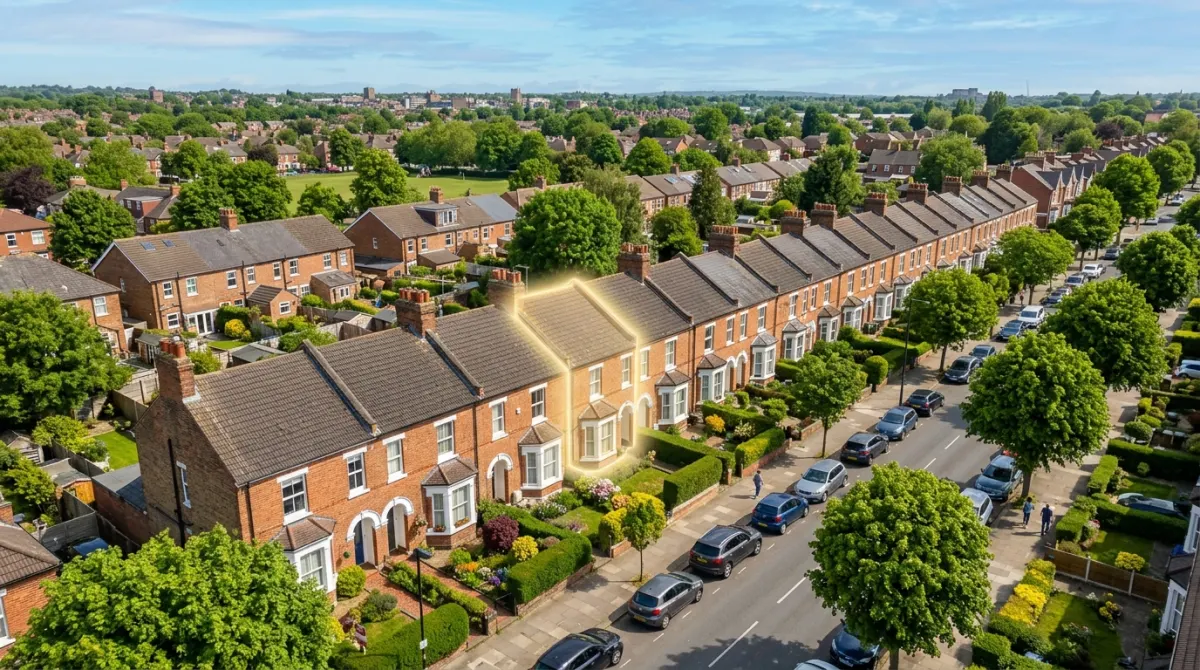
Across the UK, thousands of business owners and property investors hold substantial equity in assets that sit largely untouched. The property is paid off or carries only a small outstanding mortgage, yet the capital locked within it remains inaccessible through conventional lending channels. Banks evaluate income, credit history, and trading accounts before considering property value, meaning asset-rich applicants can be declined for the very funds their portfolios should comfortably support.
Bridging finance changes this equation. By securing a short-term loan directly against property equity, business owners can release capital within days, funding new ventures, clearing existing obligations, or injecting working capital into operations that need it immediately. Mallard Bridging regularly arranges facilities that unlock equity from properties with little or no outstanding mortgage, and the results speak for themselves.
What Property Equity Release for Business Means
Property equity release for business purposes is the process of borrowing against the equity held in property you already own, using the funds for a defined business or investment objective. The loan is secured against the property, the funds are deployed for commercial activity, and repayment follows an agreed exit strategy within a set term.
This is not the same product as lifetime or retirement equity release. Those schemes are designed for older property owners who want to access wealth without selling their residence, often with no monthly repayment requirement and compound interest rolling up over decades. They are regulated consumer products governed by the Equity Release Council and the Financial Conduct Authority.
Business equity release through bridging finance is fundamentally different:
- Term: Typically 6 to 12 months, not decades
- Purpose: Commercial, investment, or business use only
- Repayment: Full capital and interest repaid at term end via a clear exit strategy
- Speed: Decisions often made within one working day, with funds typically released in days rather than weeks
- Regulation: Unregulated lending for business purposes, not consumer credit
The distinction matters. If you are a property investor, landlord, company director, or business owner looking to release equity from an investment asset or commercial property for business purposes, bridging finance is typically the appropriate vehicle. If you are looking for a retirement income product, this is not the right solution.
For a broader understanding of how short-term property finance works, our guide on what a bridging loan is covers the fundamentals in detail.
How Business Equity Release Differs from Traditional Equity Release
Traditional equity release products, such as lifetime mortgages and home reversion plans, serve a completely different market. They are designed for individuals aged 55 and over who want to draw down wealth from their primary residence without making monthly payments. Interest compounds over the life of the loan, and the balance is repaid when the property is eventually sold, usually upon the owner moving into long-term care or passing away.
Business equity release through bridging has none of these characteristics:
| Feature | Traditional Equity Release | Business Bridging Equity Release |
|---|---|---|
| Typical borrower | Retirees aged 55+ | Business owners, investors, landlords |
| Property type | Primary residence | Investment, BTL, commercial, mixed-use |
| Loan term | Lifetime (decades) | 6-12 months |
| Repayment | On sale of property after death/care | Planned exit within agreed term |
| Interest | Rolls up over decades | Rolled up and repaid at exit (Mallard) or paid monthly (some lenders) |
| Purpose | Personal spending, retirement income | Business investment, working capital |
| Regulation | FCA regulated, Equity Release Council | Unregulated business lending |
| Speed | Weeks to months | Days |
Note: Mallard Bridging provides business and investment finance only. We do not offer traditional equity release products, which are FCA-regulated consumer products. If you need a lifetime mortgage or home reversion plan, contact an FCA-authorised adviser.
The speed difference alone is significant. Where a traditional equity release application might take eight to twelve weeks from enquiry to completion, a bridging facility against an unencumbered property can typically complete within a matter of days. For business owners facing time-sensitive decisions, that gap is everything.

Using Unencumbered Property: The Simplest Route
An unencumbered property is one with no existing mortgage or charge registered against it. For bridging purposes, this represents the cleanest and fastest type of transaction. The new lender takes a first legal charge over the property, with no need to obtain consent from an existing mortgage provider or navigate the complexities of a second charge arrangement.
Why Unencumbered Property Is Ideal for Bridging
Faster legal process. Without an existing lender to notify or a redemption statement to obtain, the legal work is straightforward. Solicitors can move quickly because there is only one charge to register.
Lower pricing. First charge lending against an unencumbered asset carries less risk for the lender. Rates are individually assessed, but borrowers with unencumbered security consistently access more favourable terms than those requiring second charge facilities.
Greater lender choice. Every bridging lender in the market will consider a first charge against an unencumbered property. This wider pool of options means more competitive terms and higher approval rates.
Simpler exit. When the time comes to repay the bridging loan, whether through remortgage, property sale, or business revenue, there is no prior lender to coordinate with. The exit is clean and uncomplicated.
Properties with Small Outstanding Mortgages
Not every property is fully unencumbered. Some borrowers hold assets with small residual mortgages, perhaps a buy-to-let with only a few thousand pounds remaining on the original loan. In these situations, the bridging lender can often redeem the existing mortgage as part of the transaction, clearing the balance and taking a first charge. This adds a minor step to the process but does not significantly delay completion.
Low-LTV Advantages: Why Less Borrowing Means Better Terms
Loan-to-value ratio, or LTV, measures the size of the loan relative to the property's market value. An LTV of 20% means you are borrowing one fifth of what the property is worth. An LTV of 70% means you are borrowing seven tenths.
In the deals Mallard Bridging arranges for equity release purposes, the average LTV sits well below 30%. Many are under 20%, and some are as low as single figures. A borrower with a property valued at £500,000 seeking a £50,000 loan has an LTV of just 10%, representing minimal risk for any lender.
What Low LTV Means for You
More competitive pricing. Lenders price risk. When the loan represents a small fraction of the property value, the risk of loss is minimal. Pricing is tailored to your specific circumstances, but lower LTV consistently translates to more favourable terms.
Faster decisions. Low-risk propositions require less deliberation. Many lenders will provide an initial response on the same business day for a straightforward first charge at low LTV. Complex underwriting is reserved for higher-risk cases.
Fewer conditions. High-LTV loans often come with additional requirements: independent valuations, enhanced due diligence, personal guarantees, or restrictions on fund use. At low LTV, many of these requirements are relaxed or removed entirely.
Higher approval rates. Put simply, lenders are more willing to lend when the security coverage is strong. A property worth five or ten times the loan amount provides substantial comfort, even where the borrower's personal financial profile might not meet traditional bank criteria.
Understanding the costs and fees involved in bridging finance helps you budget accurately when planning an equity release transaction.
Types of Property Accepted
Business equity release bridging loans can be secured against a range of property types. The key requirement is that the property has sufficient equity and is located in England or Wales.
Residential Investment Property
Buy-to-let flats and houses are the most common security type for equity release bridging. Many landlords have held these assets for years, with mortgages either fully repaid or reduced to negligible balances. A BTL flat in Manchester originally purchased for £80,000 and now valued at £150,000 with no mortgage represents a straightforward proposition for any bridging lender.
Commercial Property
Offices, retail units, warehouses, and industrial premises all qualify as security. Commercial property can sometimes require specialist valuation, but for established assets in good locations, the process is smooth and efficient.
Mixed-Use Property
Properties combining commercial and residential elements, such as a shop with a flat above, are accepted by most bridging lenders. The valuation will assess both elements, and terms will reflect the overall risk profile.
HMO and Multi-Unit Properties
Houses in multiple occupation and properties converted into several self-contained units are increasingly common in bridging portfolios. These investment assets often carry significant equity and serve well as security for business equity release.
Land with Planning Permission
Development land with existing planning consent can also serve as security, though valuations tend to be more conservative and terms may differ from standard property lending.
For a broader view of the different structures available, our guide to bridging loan types explains the options in detail.
Typical Loan Amounts and Terms
Based on the equity release deals Mallard Bridging arranges, certain patterns emerge consistently.
Loan Amounts
The most common loan amounts for business equity release fall between £25,250 and £175,000. This range reflects the practical needs of most business owners: enough capital to start a new venture, clear existing obligations, purchase stock, or inject working capital, without borrowing more than the situation requires.
Mallard Bridging can arrange facilities from £25,250 up to £40,000,000, so larger transactions against high-value portfolios or commercial assets are entirely possible.
Common loan sizes from recent transactions:
- £70,000 - clearing existing business debts and establishing a new company
- £100,000 - starting a new business venture using equity from a buy-to-let investment
- £100,000 - clearing short-term obligations and improving business cashflow
- £150,000 - releasing equity for business debt consolidation and operational restructuring
Loan Terms
Most equity release bridging loans run for 6 to 12 months. This gives borrowers sufficient time to execute their business plan and arrange a permanent exit, whether that is a long-term remortgage, the sale of a property, or repayment from business revenue.
Shorter terms from one month are available for borrowers with a confirmed exit already in place. The maximum facility term is 12 months.
LTV Range
For equity release transactions, LTV typically sits between 5% and 30%. This is significantly lower than the broader bridging market, where LTVs of 60% to 75% are standard. The low LTV profile of equity release deals is precisely what makes them attractive to lenders and beneficial for borrowers.
The Application and Funding Process
Releasing equity from property through bridging finance follows a well-defined process. Here is what to expect from initial enquiry through to funds arriving in your account.
Step 1: Initial Enquiry and Assessment
Contact Mallard Bridging by phone on 0161 883 3708, by email at contact@mallardbridging.co.uk, or by booking a callback at a time that suits you. We will discuss the property you intend to use as security, the amount you need, the purpose of the funds, and your planned exit strategy.
For straightforward equity release against unencumbered property at low LTV, we can typically confirm whether the deal is viable within the same working day.
Step 2: Decision in Principle
Once we have assessed the basic parameters, we will present terms from suitable lenders. This includes the proposed interest rate (individually assessed based on your circumstances), arrangement fees, legal requirements, and any conditions attached to the offer.
At this stage, you will have a clear picture of the total cost of the facility before committing to proceed.
Step 3: Valuation
The lender will require a valuation of the security property. For low-LTV transactions against standard residential or commercial assets, this can often be a desktop valuation rather than a full physical inspection, saving both time and cost.
Step 4: Legal Work
Solicitors act for both the borrower and the lender to complete the legal formalities. For an unencumbered property, this involves registering the first legal charge, completing identity and anti-money laundering checks, and confirming the title is clean.
Because there is no existing lender to redeem or coordinate with, legal work on unencumbered property moves significantly faster than on properties with existing charges.
Step 5: Funds Released
Once legal work completes and all conditions are satisfied, funds are released to your solicitor and forwarded to your nominated account. For straightforward equity release transactions, the entire process from application to funds can take as little as five to ten working days.
To understand each stage in greater detail, our guide on how bridging loans work walks through the complete process step by step.
Exit Strategies: How You Repay
Every bridging loan requires a credible exit strategy, and this is an area where equity release transactions have a natural advantage. Because the LTV is low and the security is strong, lenders have confidence that multiple viable exit routes exist.
Remortgage onto Long-Term Finance
The most common exit for business equity release is refinancing onto a conventional buy-to-let mortgage, commercial mortgage, or other long-term product. If you have released equity from an investment property, a BTL mortgage at modest LTV is straightforward to arrange within the bridging term.
Property Sale
Selling the security property or another asset in your portfolio provides a clean repayment route. This exit works well for investors who plan to restructure their holdings as part of the equity release transaction.
Business Revenue
For borrowers who are using the released equity to fund a business venture or working capital, repayment from trading revenue is an accepted exit. Lenders will want to understand the business case and see realistic projections, but this route is increasingly common for established businesses with strong trading histories.
Combination Exit
Some borrowers combine exit strategies. For example, partial repayment from business revenue during the loan term, with the balance cleared through a remortgage at maturity. Lenders are receptive to combination exits where each element is individually credible.
Refinancing to a Different Bridging Facility
In some circumstances, borrowers refinance from one bridging loan to another. This might occur when the original business plan requires more time to execute. While not ideal as a primary exit, it is a recognised option where the underlying security remains strong.

Real Scenarios: Asset-Rich, Cash-Poor Business Owners
The following scenarios reflect the types of equity release transactions Mallard Bridging arranges regularly. Each illustrates how property wealth can be converted into working capital for legitimate business purposes.
Scenario 1: Starting a New Business Venture
A property investor in the North West owns a buy-to-let flat outright, valued at £200,000 with no mortgage. She has identified an opportunity to launch a catering business but needs £100,000 for equipment, premises fit-out, and initial stock. Traditional bank lending is unavailable because the business has no trading history.
Solution: A first charge bridging loan of £100,000 against the unencumbered BTL flat at 50% LTV. The low loan-to-value means pricing is competitive and the decision is confirmed within one working day. Funds are released within a week, allowing the business launch to proceed on schedule. The planned exit is a BTL remortgage at twelve months, by which point the flat's rental income and the new business revenue comfortably support the refinance.
Scenario 2: Clearing Business Debts and Restructuring
A company director in the Midlands holds a residential investment property valued at £350,000 with no outstanding mortgage. His trading company has accumulated short-term debts of £130,000 across multiple creditors, and the monthly repayment burden is strangling cashflow. Banks will not consolidate the debts because the company's recent accounts show reduced profitability, precisely because of the debt servicing costs.
Solution: A £150,000 bridging facility against the investment property at approximately 43% LTV. The funds clear all existing creditor balances and provide £20,000 working capital to stabilise operations. With the monthly debt payments eliminated, the company returns to healthy cashflow within two months. The exit strategy is a commercial remortgage at nine months, supported by improved management accounts showing the restored profitability.
Scenario 3: Establishing a New Company
A business owner in Yorkshire owns a residential investment property valued at £280,000 with no mortgage. She wants to close her existing sole trader operation and launch a limited company in the same sector, requiring £70,000 to clear the sole trader's obligations and provide seed capital for the new entity.
Solution: A first charge bridging loan of £70,000 at 25% LTV. The straightforward nature of the security and the low borrowing level means the entire transaction completes within eight working days. The new company launches cleanly, free from legacy obligations. Exit is planned at six months through a combination of business revenue and a modest buy-to-let remortgage.
Scenario 4: Urgent Cashflow Injection
A landlord with a portfolio of six properties needs £100,000 urgently to fund essential maintenance works across multiple units and cover a temporary cashflow gap caused by void periods. One property in the portfolio, an unencumbered flat valued at £400,000, provides ideal security.
Solution: A first charge bridging loan of £100,000 at 25% LTV. The funds are deployed immediately to complete maintenance works, bringing void units back to lettable condition and restoring rental income. The rapid decision timeline means the landlord avoids losing tenants in occupied units due to deferred maintenance. Exit at ten months through a standard BTL remortgage against the security property.
Ready to Discuss Your Requirements?
Our bridging finance specialists are available Monday-Friday, 9:00 AM - 5:30 PM.
Who Qualifies for Business Equity Release Bridging?
Eligibility for business equity release through bridging is broader than most borrowers expect. The primary consideration is the property itself, not the borrower's personal income or credit history.
Basic Criteria
- Property ownership: You must own (or your company must own) the property being used as security
- Equity position: Sufficient equity to support the loan amount at an acceptable LTV
- Business purpose: The funds must be used for a legitimate business or investment purpose
- Exit strategy: A credible plan to repay the loan within the agreed term
- England or Wales: The security must be located in England or Wales
Who Typically Applies
- Landlords and buy-to-let investors with unencumbered or low-mortgage properties
- Company directors needing to inject capital into their businesses
- Property developers seeking to fund new projects while existing assets are tied up
- Business owners launching new ventures who cannot access traditional bank lending
- Investors restructuring portfolios or consolidating business debts
Credit History
Unlike traditional lenders, bridging providers do not rely solely on credit scores to make decisions. Adverse credit, county court judgments, and even previous insolvency do not automatically prevent approval. The security value and the viability of the exit strategy carry substantially more weight in the assessment process.
Costs and Pricing
As with all bridging finance, costs for equity release transactions are individually assessed based on the specific circumstances of each deal. However, the low-LTV nature of most equity release transactions means borrowers typically benefit from pricing at the more favourable end of the spectrum.
Factors That Influence Pricing
- LTV ratio - lower LTV generally means more competitive rates
- Property type - standard residential investment property attracts the best terms
- Charge position - first charge on unencumbered property is the lowest-risk scenario
- Loan term - shorter terms may attract slightly different pricing structures
- Exit strategy clarity - a well-defined, realistic exit route reassures lenders
- Loan amount - very small or very large loans may carry different fee structures
Mallard Bridging's Cost Structure
At Mallard Bridging, all costs - setup fees, valuation, legal, and interest - are rolled into the gross loan amount. There are no exit fees, and a timely repayment discount applies when you repay on or before the agreed date. You receive the net loan you need and repay a single gross figure at exit, with no separate fee invoices or monthly payments during the term.
For a comprehensive breakdown of all the costs involved, our detailed guide to bridging loan costs and fees covers every element with worked examples.
Get a quote for your Equity Release Loan
Frequently Asked Questions
Is this the same as retirement equity release?
No. Retirement or lifetime equity release is a consumer product regulated by the FCA, designed for individuals aged 55 and over to access wealth from their primary residence. Business equity release through bridging is a short-term commercial lending product for business and investment purposes, repaid within months rather than decades.
Can I use my own residence as security?
Mallard Bridging provides business loans only. We do not offer consumer credit or residential mortgages for owner-occupation. If the property being used as security is an investment asset, buy-to-let, or commercial premises, it qualifies for business bridging. Properties used as a primary residence for the borrower may be considered by some lenders where the loan purpose is clearly for business use, but this is assessed on its individual merits.
What if I have an existing small mortgage on the property?
This is common and does not prevent the transaction. The bridging lender can redeem the small existing mortgage as part of the facility, taking a first charge over the property. Alternatively, if retaining the existing mortgage makes commercial sense, a second charge bridging loan can sit behind it.
How quickly can funds be released?
For a straightforward first charge against unencumbered property at low LTV, the typical timeline from application to funds is five to ten working days. With Mallard Bridging, you could have money in your bank within two working days of approval. Where all parties move promptly and no complications arise, faster completion is achievable.
What happens if I cannot repay within the agreed term?
If your exit strategy is delayed, speak to us early. In most cases, bridging terms can be extended, though additional costs may apply. The strong security position of low-LTV equity release loans means lenders are generally willing to work with borrowers to find a solution.
Do I need to provide proof of business purpose?
Yes. As business-only lenders, we require clarity on how the funds will be used. This does not mean providing years of trading accounts. A clear explanation of the business purpose, supported by basic documentation, is usually sufficient.